Navigating Boat Shows: A First-Timer’s Guide to FLIBS and Miami
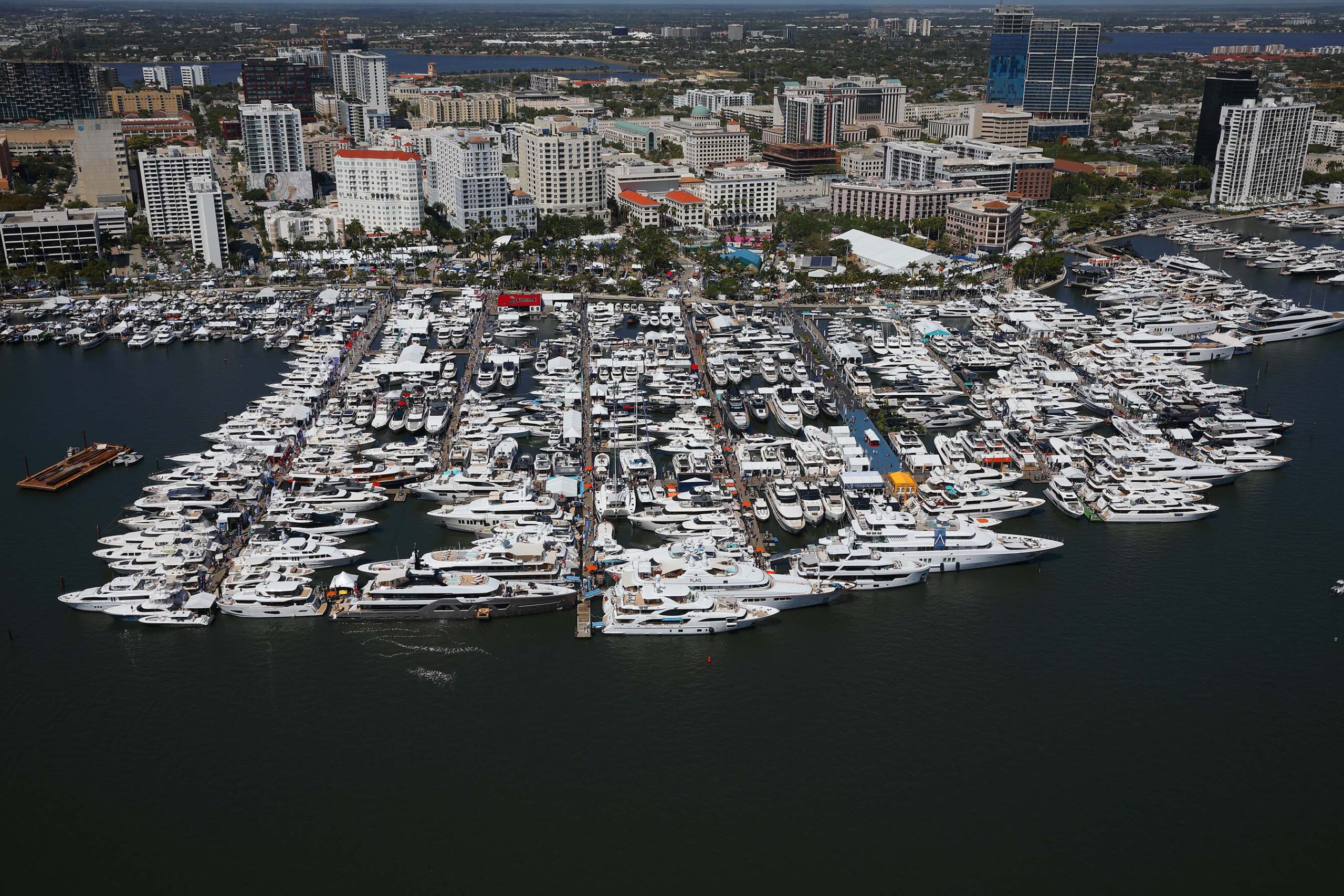
The Fort Lauderdale International Boat Show and the Miami International Boat Show are the two most significant events in the East Coast yachting calendar. FLIBS draws 100,000+ attendees annually and spans seven waterfront venues across Broward County. MIBS spans multiple locations from Collins Avenue to the Convention Center and Herald Plaza.
For first-time attendees, the scale is genuinely overwhelming without a plan. Here’s how to approach these shows productively — whether you’re buying, researching, or just beginning to explore the market.
Know Which Show Fits Your Goal
The two major South Florida shows serve different purposes:
- Fort Lauderdale International Boat Show (FLIBS) — October/November. The largest in-water boat show in the world. Strong on brokerage inventory, new model launches, and serious buyer activity. If you’re actively evaluating a purchase in the $300,000–$2,000,000 range, FLIBS is where the inventory and the brokers are. YSI exhibits at FLIBS annually.
- Miami International Boat Show (MIBS) — February. Strong on new product introductions and manufacturer presence. The multi-venue format means more logistics but more variety. Good for discovery early in your research process.
For buyers who want the focused, one-on-one experience that neither show floor provides, YSI runs a Private Dock Showcase during Miami Boat Show week — on the New River in Fort Lauderdale, by appointment only.
The Show Floor Is for Discovery. Not Decisions.
This is the most important thing to understand about boat shows: the exhibit floor is an excellent place to see what exists. It is a poor environment for making purchasing decisions.
The noise, the crowds, the pressure of a sales interaction on a busy dock — none of these are conducive to the kind of thoughtful evaluation a $500,000+ purchase deserves. Use the show to narrow your shortlist. Do the real evaluation later, in a private setting with time and access to take the boat out.
Good brokers understand this. The best ones will invite you to a sea trial after the show rather than push for a commitment on the dock.
How to Prepare Before You Go
- Define your brief before you arrive. What type of vessel are you evaluating? What size range? What budget? What home port? Arriving without answers to these questions means you’ll spend hours looking at boats that aren’t relevant to your situation.
- Download the show app. Both FLIBS and MIBS have exhibitor maps and search tools. Know where the exhibitors you want to visit are located before you walk in.
- Book appointments in advance. The best brokers and most popular new model exhibits fill up quickly. If there’s a specific vessel or team you want time with, contact them before the show opens.
- Wear appropriate footwear. You’ll walk 5–8 miles across docks and concrete on a show day. Non-slip, comfortable shoes are practical — not optional.
- Plan for two visits if you’re serious. One day to orient and discover, a second day (or a private appointment after the show) for focused evaluation.
What to Actually Do at the Show
Board Every Vessel on Your Shortlist
Photos and spec sheets don’t tell you what a boat feels like underway, how the helm visibility works, whether the galley makes sense for how you cook, or whether two people can realistically dock it alone. Get aboard. Open every locker. Sit at the helm. Look at the engine room. The show floor is one of the few times you can do this across multiple vessels in a single day.
Talk to Brokers, Not Just Manufacturer Reps
Manufacturer reps know their product deeply but have obvious incentives. Independent brokers — particularly those who work both new and pre-owned inventory — can give you a more complete picture: how the boat compares to alternatives, what the real resale story is, and whether the price reflects current market conditions.
At YSI, our team at the show represents both new Greenline hybrid models and a broad brokerage inventory. We’ll tell you honestly if a new build or a quality pre-owned vessel makes more sense for your situation.
Attend Seminars Selectively
Both FLIBS and MIBS run educational programming — financing, survey process, cruising destinations, and technology topics. These are worth attending if the topic is directly relevant to your stage of the buying process. Skip generic brand presentations in favor of sessions with specific, actionable content.
What Not to Do
- Don’t make purchase decisions on the dock. The right broker will not pressure you to. Anyone who does is showing you their approach to client service.
- Don’t skip the brokerage docks. New model launches get the attention, but the brokerage inventory at FLIBS is often where the best values are — well-maintained pre-owned vessels that show exceptionally well in a show context.
- Don’t ignore your comfort level with a broker. You’re going to spend months working with this person. The show is a useful first impression — if the communication feels transactional or pressured, that’s a signal.
- Don’t try to see everything. FLIBS alone has over 1,500 vessels across seven venues. Prioritize ruthlessly.
After the Show
Follow up promptly with any brokers or exhibitors who made a strong impression. Shows generate high volumes of inquiries — the buyers who respond quickly and specifically tend to get more attention and better service than those who go quiet after the show closes.
If you’re actively evaluating a Greenline hybrid yacht or any motor yacht in the 39–58 foot range, a private sea trial from Fort Lauderdale is the natural next step after the show. That’s where the real evaluation happens — on the water, without crowds, with time to ask every question.
Contact YSI to schedule a post-show appointment or sea trial — or read more about how our brokerage process works before you commit to a broker at the show.