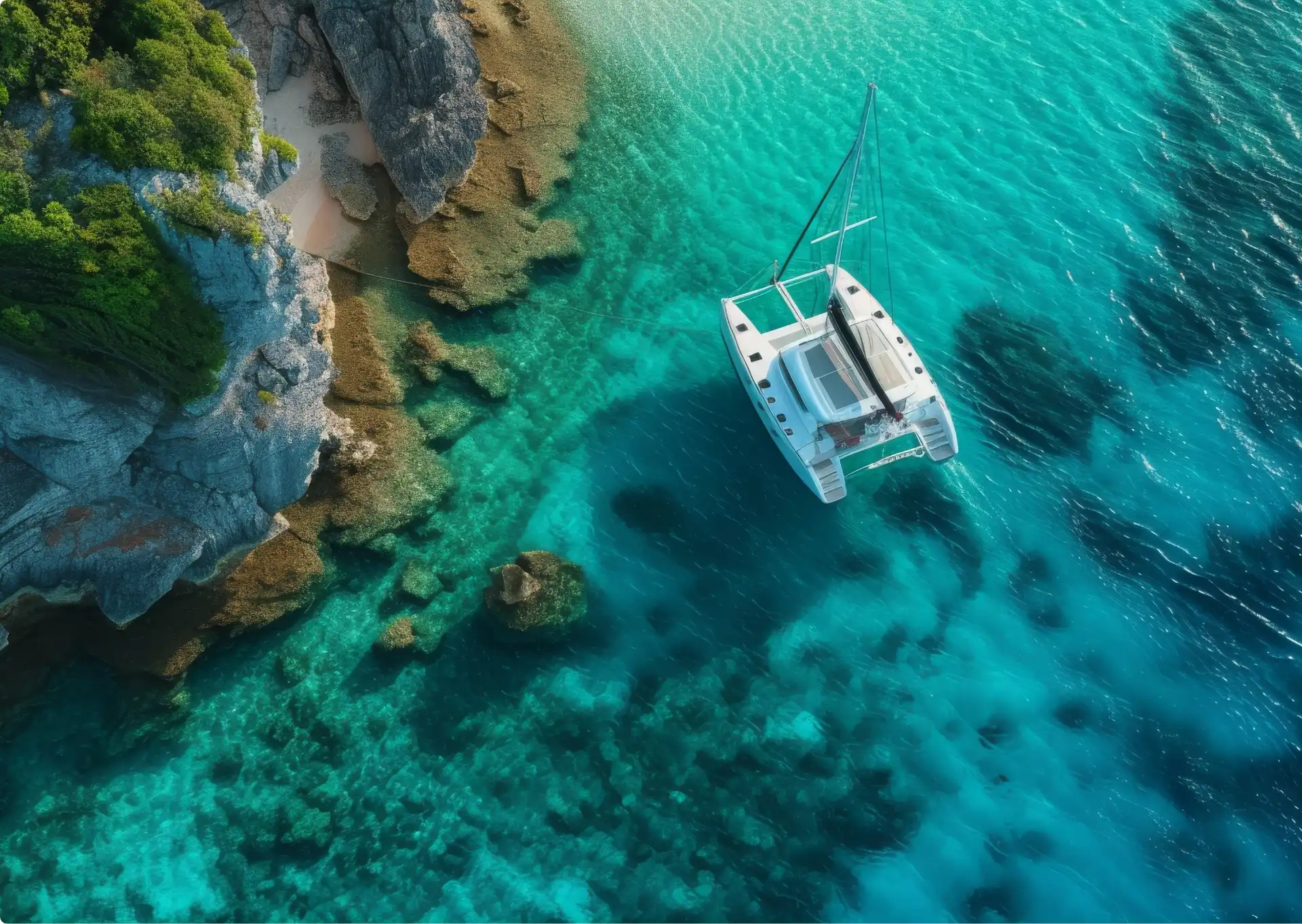
Catamarans Vs. Monohulls: Which Is Right For Your Next Adventure?
When you embark on the journey to purchase your dream vessel, choosing between a catamaran and a traditional monohull yacht can feel like deciding between two distinct lifestyles. Both options provide unique attributes that appeal to different types of boaters. Are you drawn to the expansive stability of a catamaran or the timeless luxury of a classic monohull? As trusted advisors in yacht acquisition, we at YachtSalesInternational.com have guided countless clients along both paths. In this guide, you’ll discover the key differences, learn from real scenarios, and ultimately, find clarity for your next nautical adventure.
What Makes Catamarans Special?
Catamarans have grown in popularity across Florida and beyond, and for good reason. The essence of a catamaran lies in its dual-hull design, which delivers impressive versatility, stability, and living space. Let’s look at why so many of our clients—especially families and long-range cruisers—favor catamarans:
- Stability and Comfort: Thanks to their wide beam and twin-hull arrangement, catamarans stay remarkably steady at anchor and underway. This can significantly reduce rolling seasickness, offering a smooth ride even when conditions become choppy.
- Spacious Living: Catamarans boast generous deck and salon space, plus expansive cabins typically spread between the hulls. Owners often refer to them as “floating condos.” Entertaining family or friends on deck, or enjoying panoramic sunsets across the Florida Keys, becomes a truly elevated experience.
- Shallow Draft: With less hull below the waterline, catamarans can access shallow bays, inlets, and smaller marinas. For explorers interested in secluded anchorages or nearby sandbars, this versatility is invaluable.
- Fuel Efficiency: Catamarans are generally lighter than similar-length monohulls, requiring less power to propel through water. This makes them inherently more efficient—and if you choose a hybrid or electric version, such as some Greenline, Sialia, or ALVA models, efficiency is elevated further still.
Considering the Disadvantages of a Catamaran
No vessel comes without trade-offs. Prospective owners often ask us about the shortcomings of catamarans before making a large investment. Here are a few points to weigh:
- Docking and Berthing: The very width that lends stability and living space can also complicate marina accommodations. Some slips aren’t designed for wide-beam catamarans, restricting your options in busy Florida harbors.
- Upfront Cost and Value Retention: Catamarans typically cost more up front than comparable monohull yachts. While well-maintained catamarans from reputable brands do hold their value, the pool of interested buyers tends to be more specialized.
- Performance in Rough Conditions: While catamarans are generally very stable, certain sea states can lead to a pounding effect between the hulls (“slamming”), especially in steep, short waves. However, advanced designs and reputable builders have made considerable improvements in this area.
Handling Rough Seas: Can Catamarans Keep Up?
A common question among adventurous clients is whether catamarans can handle rough seas. Modern catamarans—especially those from leading builders—are meticulously engineered for bluewater cruising and challenging conditions. Customer testimonials repeatedly highlight how catamarans offer reassuring stability even when squalls roll in unexpectedly.
However, it’s important to recognize that every hull design reacts differently: while power catamarans cut smoothly through chop and provide a safe, comfortable ride, they may occasionally experience slamming or spray. In most real-world conditions encountered along U.S. coasts, catamarans perform superbly and infuse confidence into even novice captains.
Comparing Catamarans and Monohulls: Key Differences
So, what is the true difference between a catamaran and a monohull yacht? Fundamentally, it’s about design philosophy and intended use:
- Hull Configuration: Catamarans ride on two hulls, providing a stable platform, while traditional monohull yachts have a single (often deeper) hull that can offer superior cruising speeds and handling in certain sea states.
- Lifestyle: Monohulls excel in classic luxury, offering plush accommodations, higher cruising speeds, and a timeless aesthetic. They’re favored by those seeking elegant social spaces and traditional yachting experiences.
- Fuel and Efficiency: Modern technological advancements have benefited both types, but catamarans—especially those built for sustainability such as Greenline, Sialia, or ALVA—can achieve remarkable energy savings thanks to reduced drag and lighter displacement.
Ownership and Value Considerations
Do catamarans hold their value? The answer is nuanced. Well-maintained catamarans from established brands have demonstrated strong resale value, driven by growing demand for their comfort and efficiency. Buyers who keep up with servicing, upgrades, and proper maintenance should expect solid value retention—though, as with any vessel, the buyer pool is a bit more niche compared to traditional monohull yachts.
Monohull yachts, on the other hand, represent the established mainstay of the yachting world. Their classic lines and well-known performance ensure reliable market demand, though they may be subject to broader swings due to changing tastes and fuel costs.
Exploring Innovation: Greenline, Sialia, and ALVA
Today’s boaters are increasingly drawn to sustainable cruising. Brands such as Greenline Yachts, Sialia Yachts, and ALVA are at the forefront, creating hybrid, electric, and solar-powered models that lower emissions without sacrificing comfort or range. If environmental consciousness and operational savings are central to your decision, these brands merit your consideration.
Real Scenarios: Which Vessel Matches Your Next Adventure?
Let’s look at some real-life decision-making:
- Scenario 1: Coastal Family Cruising—Elizabeth and Mark, frequent explorers of the Florida coast, value the stability and shallow draft of a catamaran, allowing them to drop anchor off sandbars and enjoy weekends with their young children. The expansive deck is perfect for safe play and relaxed entertaining.
- Scenario 2: Offshore Socializing—Robert, a corporate executive, favors his classic monohull yacht for elegant gatherings and rapid trips between Miami and the Bahamas. The seamless lines and traditional framework offer the ultimate in yachting prestige.
- Scenario 3: Sustainable Exploration—Samantha, passionate about eco-friendly living, opted for an all-electric catamaran, combining zero-emission electric cruising with long-haul comfort, and frequently highlights her low fuel bills and minimal environmental footprint.
Summary: Finding Your Ideal Yacht at YachtSalesInternational.com
Choosing between a catamaran and a monohull comes down to your priorities—stability and spacious comfort versus speed and classic style, family-focused adventures versus formal entertaining, or perhaps sustainability above all else. Both categories now offer remarkable flexibility with the advent of hybrid and electric technologies.
If you’re weighing your options, we invite you to explore our diverse selection of premium boats for sale. At YachtSalesInternational.com, our licensed brokers deliver the expertise and personal attention needed to match you with the vessel that aligns with your vision. Your next adventure on the water starts here—let us guide you to t